
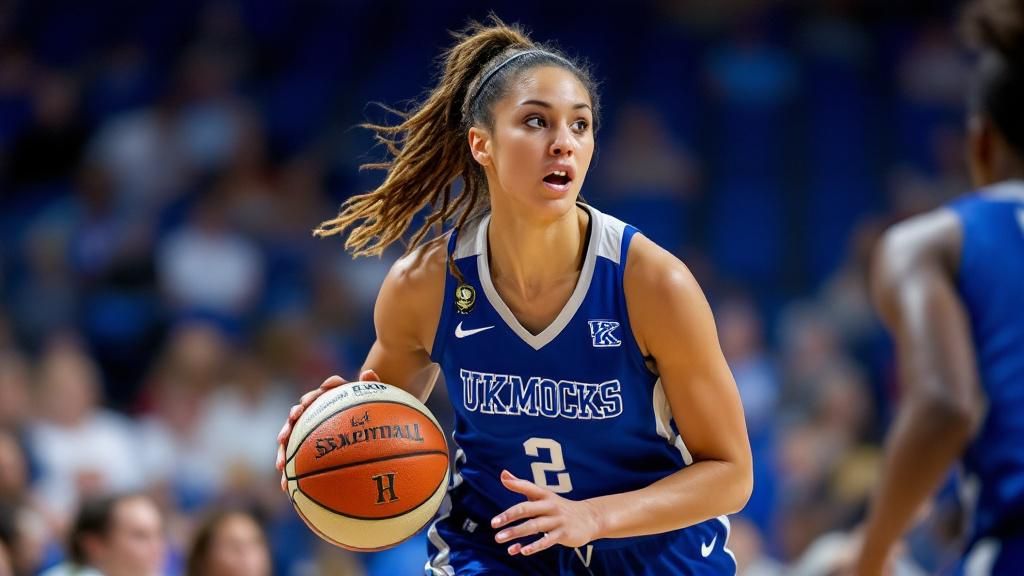
Women’s basketball has seen an remarkable rise in interest across UK schools, with engagement numbers attaining all-time highs. This impressive expansion shows a important transformation in perspectives on female sport and greater funding in local development schemes. From primary schools to sixth forms, girls are taking up the sport in unprecedented quantities, overcoming traditional barriers and motivating a emerging cohort of athletes. This article examines the factors driving this sporting transformation, highlights the institutions spearheading the charge, and assesses what this momentum means for the outlook on women’s sport in Britain.
Growing Participation Patterns
The rise in women’s basketball involvement across UK schools has been nothing short of impressive. Over the past three years, participant numbers have climbed steadily, with the current statistics indicating a 40% growth in women participants at high school level. This expansion extends beyond conventional hubs, reaching schools in countryside locations and socially deprived regions that formerly had minimal basketball facilities. The impetus reflects authentic passion amongst teenage girls and demonstrates that when access is granted, girls enthusiastically adopt the sport with dedication and drive.
A number of factors have contributed to this impressive upward movement. Greater funding from Sport England and the UK Basketball Association has enabled schools to create or develop their programmes in a significant way. Additionally, the prominence of professional women’s basketball, especially via the British Basketball League’s development and press coverage, has motivated junior players to pursue the sport. Role models such as accomplished British players competing internationally have proven to be extremely valuable in demonstrating that basketball presents genuine career opportunities and inspiring prospects for accomplished young female athletes.
School leadership has proven instrumental in enabling this growth. Many headteachers and governors have prioritised basketball advancement, recognising its importance in enhancing physical wellbeing and building confidence amongst their girl pupils. Investment in courts, coach training, and organised competitions has established sustainable pathways for participation. Furthermore, integration of basketball into physical education programmes has exposed the sport to girls who might not otherwise have encountered it, expanding the talent pool considerably.
Regional disparities in development trajectories reveal interesting insights about programme effectiveness. Areas with committed basketball coaching personnel have recorded markedly significant increases, whilst regions adopting extensive coach training programmes have seen improved retention rates. The establishment of cross-school competitive events and county competitions has created a competitive environment that motivates continued participation. These systemic enhancements illustrate how deliberate strategy and resource distribution directly result in quantifiable increases in participation.
Looking at demographic shifts, engagement is growing increasingly inclusive across all age demographics and ability levels. Elementary school girls are now taking up basketball through school sports partnerships, building a robust platform for progression into secondary school. Furthermore, the emergence of inclusive teams including players with disabilities has expanded opportunities further. This expansion of participation ensures that basketball advancement is not limited to elite athletes but encompasses all girls interested in the sport regardless of their background or starting point.
Support and Infrastructure Development
Corporate Investment and Financing
The growth in women’s basketball participation across UK schools has been substantially bolstered by increased institutional investment and targeted financial programmes. Schools have acknowledged the significance of allocating resources towards basketball programmes, including acquiring high-quality equipment, upkeeping indoor courts, and employing qualified coaches. Local authorities and educational bodies have prioritised basketball development, understanding that adequate facilities is essential for maintaining this expansion. This monetary investment demonstrates a genuine shift in how schools value women’s sport, moving beyond tokenistic gestures to sustained, substantive funding in female athletes’ development and success.
Furthermore, sports governing bodies and national organisations have increased their backing, providing grants and funding streams expressly aimed at women’s basketball programmes. These financial resources have allowed schools to establish teams capable of competing, organise inter-school tournaments, and develop pathways for talented players. Facility investment has also improved significantly, with numerous schools upgrading their sports facilities to satisfy international standards. This integrated strategy to funding guarantees that growth in participation is supported by the required facilities, preventing the momentum from faltering due to limitations in resources or inadequate facilities.
Community alliances have become another essential funding mechanism, with local companies and community groups supporting basketball programmes and events. These partnerships have created long-term funding approaches that extend beyond traditional school budgets. Business sponsorship has enabled schools to acquire high-quality training resources, support coaching certifications, and underwrite travel expenses for regional and national competitions. Such collaborations also enhance the prominence of women’s basketball within local communities, fostering interest and participation outside the school setting.
Coaching Excellence and Development Pathways
The creation of solid coaching structure has been vital in enabling increased participation levels across UK schools. Schools have invested in employing qualified coaches with expertise in basketball, many of whom hold recognised certifications from regulatory authorities. Skills enhancement programmes have equipped coaches to enhance their skills, stay updated with current training approaches, and build specialised knowledge in supporting women’s basketball. This focus on coaching quality ensures that participants get quality instruction, which directly contributes to improved performance, increased enjoyment, and higher retention rates within basketball initiatives.
Planned development pathways have been established to support talented players’ advancement from school level through to university and professional opportunities. These pathways offer defined objectives and advancement pathways, encouraging young athletes to commit to their basketball development. Mentorship programmes linking school-level players with university-level athletes and professional competitors have proven particularly valuable, offering encouragement and actionable direction. These extensive support frameworks show that schools are dedicated to fostering ability with real dedication, establishing real prospects for female players in basketball to chase their competitive aspirations at elite level.
Future Prospects and Opportunities
The pathway of women’s basketball in British schools indicates an exceptionally bright future, with numerous encouraging developments on the horizon. Funding by governing bodies, brand sponsorships, and increased media coverage are generating remarkable prospects for young female athletes. Universities are expanding their basketball scholarships, appreciating the quality of players emerging from secondary schools. Furthermore, the exposure to elite female basketball competitions, both domestically and internationally, provides motivational figures for schoolgirls. This combination of developments points to existing engagement rates will continue to rise, cementing basketball as a mainstream sport for female students throughout Britain.
Beyond participation figures, the long-term implications for women’s sport in Britain are profound and far-reaching. The achievements in basketball initiatives demonstrates that girls will engage enthusiastically with sport when given genuine opportunities and appropriate support. Schools are now positioned to leverage this momentum, expanding facilities and coaching resources to accommodate growing demand. Moreover, the cultural shift towards treating female athletes as equals with their male counterparts establishes a sustainable foundation for continued growth. As these young players progress through their time in education, many will become advocates, coaches, and leaders, sustaining this virtuous circle and reshaping the landscape of women’s sport in the UK.
